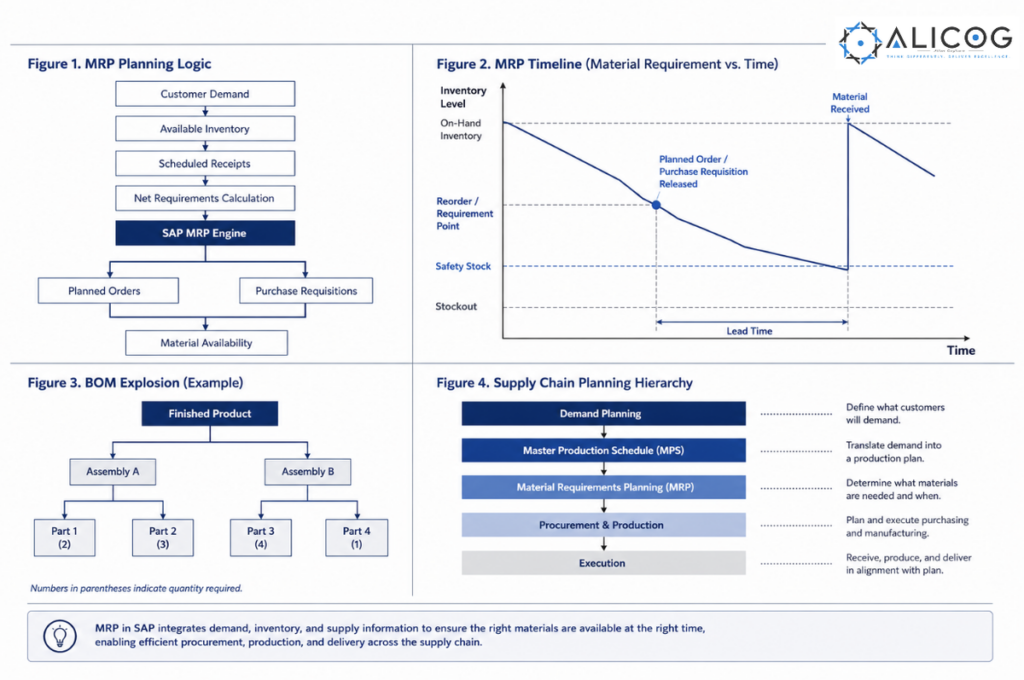
Material Requirements Planning (MRP) remains one of the most important capabilities for organizations seeking to improve supply chain performance. While often viewed as a SAP planning transaction, MRP is fundamentally a business process that connects demand, procurement, manufacturing, inventory, and customer service. When implemented correctly, it enables companies to make better planning decisions, reduce inventory costs, improve service levels, and build a more resilient supply chain.
Manufacturers operate in an environment of volatile demand, global supply risks, shorter product life cycles, and increasing customer expectations. Planning materials manually is no longer sufficient to balance service levels with inventory investment. SAP Material Requirements Planning (MRP) provides a structured and automated planning process that aligns supply with demand while supporting strategic business objectives. Rather than replacing planners, MRP provides the information needed to make faster and better decisions.
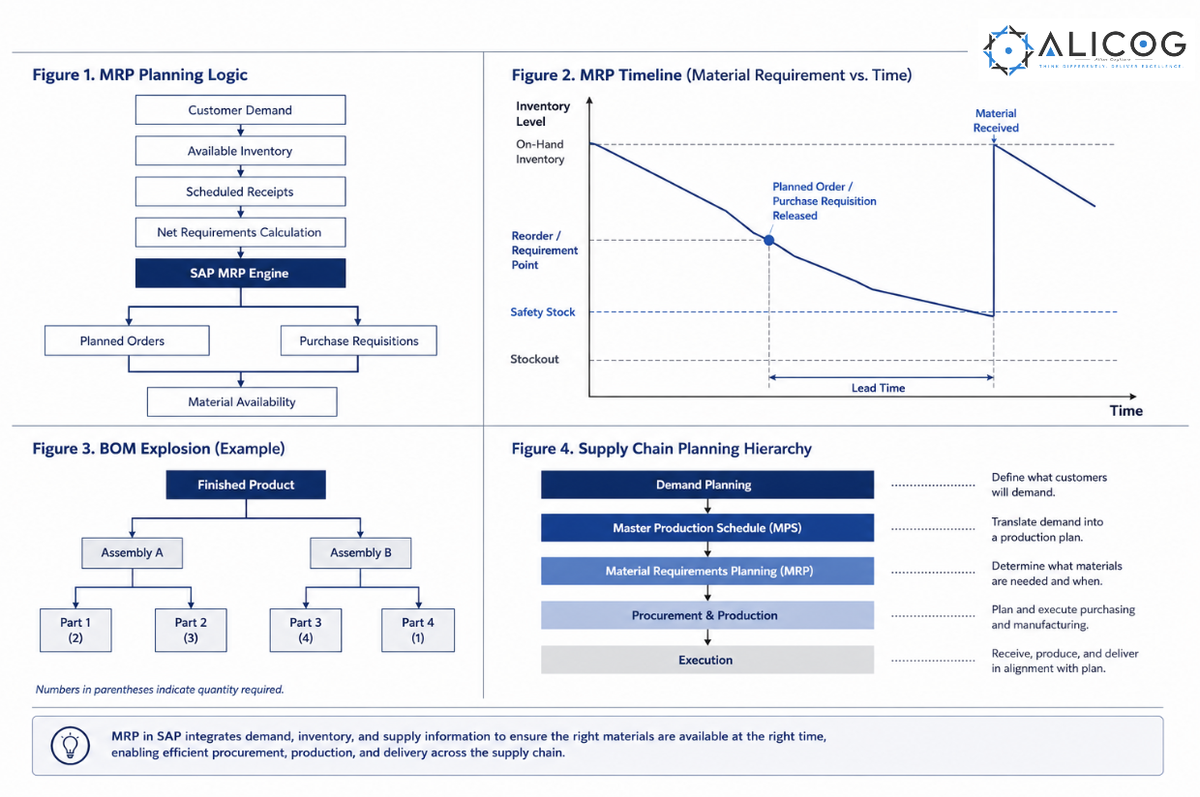
MRP determines what materials are required, when they are required, how much is required, and how they should be sourced. It evaluates demand, available inventory, incoming supply, procurement and production lead times, and planning policies to generate recommendations. In practice, MRP acts as the operational link between sales forecasts, procurement, manufacturing, warehouse operations, and customer commitments. Organizations that treat MRP as a business capability rather than simply a system function typically achieve more sustainable operational improvements.
SAP automates the planning process by continuously comparing future demand with available supply. Whenever shortages are identified, the system creates procurement or production proposals based on predefined planning rules. The planning engine considers inventory, scheduled receipts, planning parameters, safety stock, procurement strategies, and lead times to calculate net requirements. These recommendations provide planners with visibility into future supply risks while allowing them to retain full control over execution decisions.
Master data is the foundation of reliable planning. Material master records, Bills of Materials, routings, procurement settings, lead times, production versions, and inventory records all influence planning outcomes. Even the most advanced planning system cannot compensate for inaccurate or outdated data. Organizations investing in supply chain transformation should therefore treat master data governance as a strategic capability rather than an administrative activity.
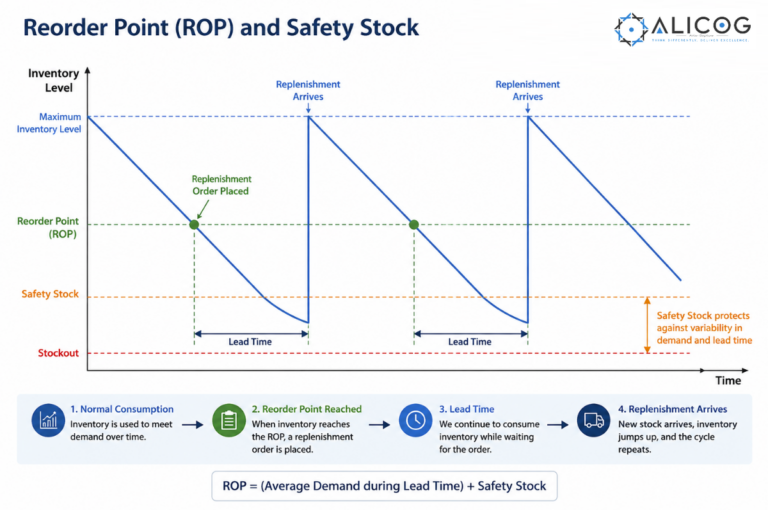
Every material has planning characteristics that define how SAP evaluates demand and generates recommendations. Planning strategies, procurement types, lot-sizing procedures, safety stock policies, and lead times all influence inventory levels and service performance. These parameters should evolve with business priorities instead of remaining static after implementation. Regular reviews ensure that planning continues to reflect operational reality.
One of the greatest benefits of SAP MRP is its ability to shift planners away from manual calculations toward exception-based decision making. Instead of reviewing every material individually, planners can focus on shortages, supply risks, changing demand patterns, and planning exceptions. This improves productivity while allowing planning teams to concentrate on higher-value activities such as supplier collaboration, inventory optimization, and continuous improvement.
Many organizations fail to realize the full value of SAP MRP because technology alone cannot solve planning problems. Inconsistent master data, inaccurate inventory, unreliable supplier performance, engineering changes, unrealistic lead times, and poor governance all reduce planning accuracy. Successful organizations establish clear ownership of planning data, define standard planning processes, and regularly measure planning performance through meaningful KPIs.
Successful MRP depends on disciplined operating practices. Organizations should maintain accurate master data, review planning parameters regularly, reconcile physical and system inventory, resolve planning exceptions promptly, and execute planning runs according to a defined cadence. Equally important is strong collaboration between supply chain, procurement, production, engineering, and finance. Effective planning is the result of coordinated business processes rather than isolated system activities.
When integrated into a broader supply chain transformation strategy, SAP MRP delivers measurable business benefits. Organizations typically improve material availability, reduce inventory carrying costs, increase production stability, strengthen supplier collaboration, improve planning accuracy, reduce emergency purchasing, and enhance customer service. These outcomes contribute directly to improved operational efficiency and stronger financial performance.
Material Requirements Planning is far more than a calculation engine. It is a strategic capability that enables organizations to synchronize demand, supply, inventory, and production across the value chain. SAP provides a robust platform for automating this process, but lasting success depends on aligning technology with business processes, governance, and high-quality data. Organizations that combine these elements are better positioned to build agile, resilient, and efficient supply chains capable of supporting long-term growth.
For companies embarking on a supply chain transformation journey, optimizing SAP MRP should not be viewed as a standalone initiative. It should form part of a broader roadmap that integrates planning processes, organizational capabilities, digital technologies, and continuous improvement. This holistic approach enables businesses to move beyond operational efficiency and create a supply chain that delivers sustained competitive advantage.
Expert en Supply Chain et SAP S/4HANA avec plus de 20 ans d'expérience industrielle. Fondateur d'ALICOG, cabinet de conseil spécialisé en transformation supply chain.
En savoir plus →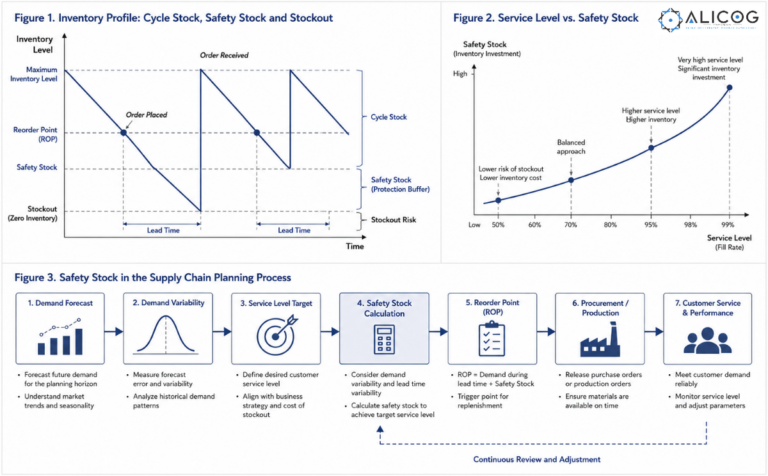

Premier échange de 30 min avec un expert ALICOG — sans engagement.